Why Falling Asleep During a Massage Is Perfectly Normal
Key Highlights
- Falling asleep during a massage is completely normal and is actually a sign that your body has entered a deep state of relaxation.
- Most professional massage therapists view it as a compliment, not a sign of rudeness, because it means the client feels safe and comfortable.
- Your body continues to receive the full benefits of massage even while you sleep, including reduced cortisol, improved circulation, and deeper muscle relaxation.
- Calming treatments like an aroma oil massage with essential oils are especially likely to promote drowsiness because they engage both touch and scent to activate the body’s rest response.
Imagine lying face down on a warm, heated massage table in a softly lit room while a therapist tends to your shoulders. Soon, your thoughts become indistinct, your breathing deepens, and you completely lose consciousness.
If this has ever happened to you, you are not alone. Falling asleep during a massage is one of the most common experiences clients report, and it is also one of the most common sources of mild embarrassment. Many people wonder, is it rude to fall asleep during a massage? The short answer is no. In fact, it is one of the highest compliments you can give your therapist.
This article delves into why your body naturally succumbs to sleep during a massage, explores therapists’ perspectives on this phenomenon, and clarifies how you still gain all the physical advantages even in a state of deep rest. If you have ever enjoyed a deeply relaxing session, such as an aroma oil massage with calming essential oils, you already know how easy it is to let go completely.
Why People Fall Asleep During a Massage
Understanding why you fall asleep on the massage table starts with understanding how your nervous system responds to touch, warmth, and calm environments.
Your Nervous System Shifts Into Rest Mode
Your body operates on two main modes controlled by the autonomic nervous system. The sympathetic nervous system handles your “fight or flight” response, keeping you alert and reactive. The parasympathetic nervous system controls “rest and digest” functions, slowing your heart rate, deepening your breath, and directing energy toward recovery.
Massage therapy activates the parasympathetic nervous system almost immediately. A study published in the International Journal of Neuroscience found that moderate pressure massage triggers a measurable shift from sympathetic to parasympathetic activity, characterized by increased vagal tone and a slower, more variable heart rate. This is the same physiological state your body enters right before sleep. When a skilled therapist applies rhythmic pressure in a quiet, comfortable room, your body interprets these signals as safe, and it naturally begins to power down.
Hormonal Changes That Promote Drowsiness
Massage does not just relax your muscles. It also changes the chemistry of your brain. Research shows that a single massage session can reduce cortisol levels by an average of 31% while increasing serotonin by approximately 28% and dopamine by about 31%. Serotonin is a direct precursor to melatonin, the hormone your body produces to regulate sleep cycles. So as your cortisol drops and your serotonin rises during a massage, your brain is essentially being primed for sleep.
The Environment Does the Rest
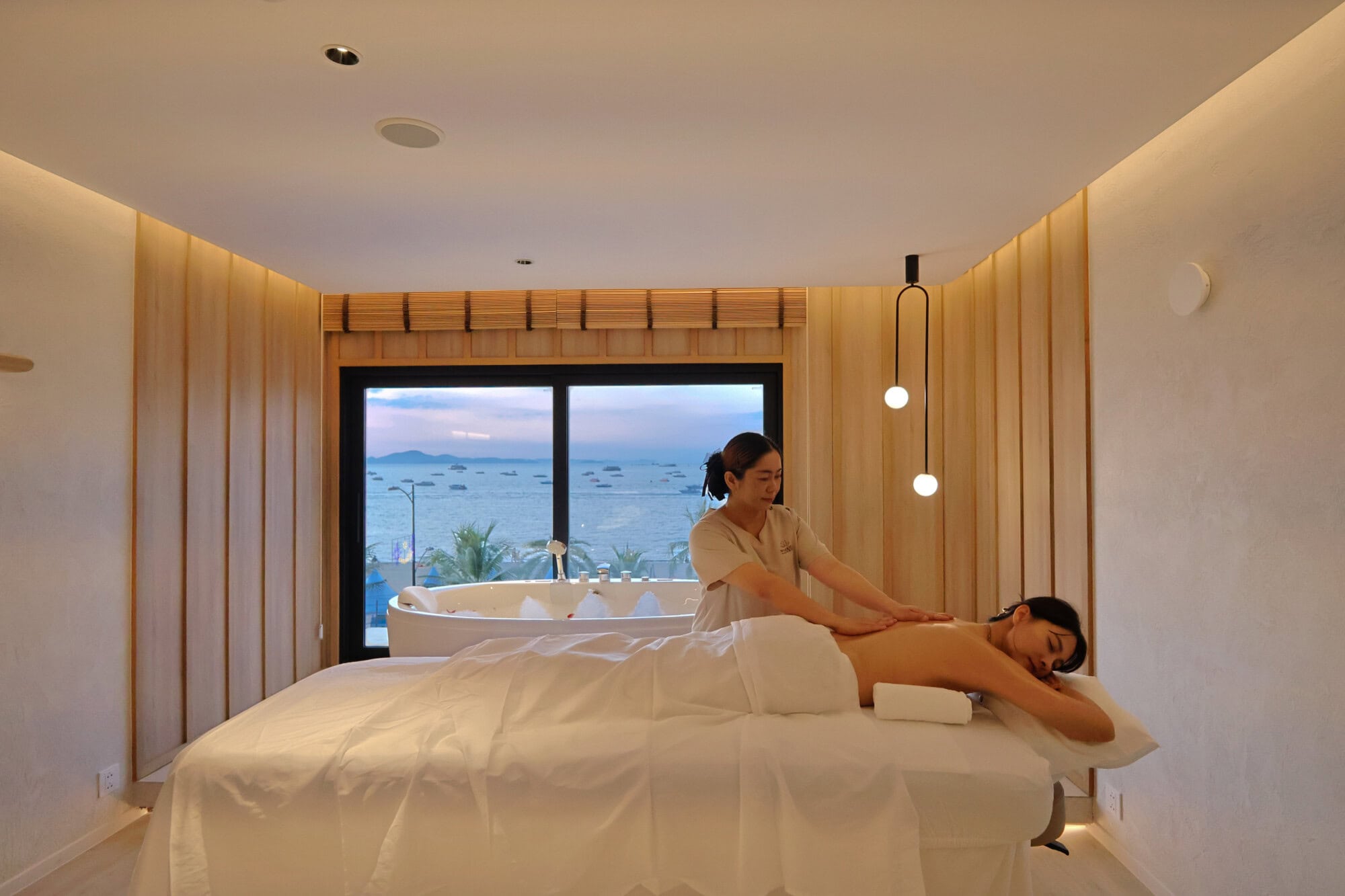
Beyond the physical touch, the entire massage environment is designed for relaxation. Dim lighting, soft music, warm towels, and the scent of essential oils all contribute to sensory calming. Treatments like an aroma oil massage take this even further by combining gentle strokes with therapeutic oils such as lavender, chamomile, or ylang-ylang, all of which are known to support relaxation and reduce anxiety. When your senses are soothed on every level, staying awake actually becomes the harder thing to do.
Massage Etiquette: Is It Rude to Fall Asleep?
This is one of the most frequently asked questions about massage etiquette, and the answer from professionals is consistent and clear.
What Therapists Actually Think
Trained massage therapists typically don’t view a sleeping client as rude. Actually, a lot of people consider it a positive indicator since your therapist interprets falling asleep on the table as a sign of feeling safe, muscle relaxation, and successful technique. It’s a sign of trust and comfort, precisely what a therapist strives for.
Therapists are trained to continue working effectively whether you are awake or asleep. They adjust their pressure, transition between areas, and complete the full treatment without needing your feedback for most massage styles. Your session does not lose quality or value because you were not conscious for part of it.
Snoring, Drooling, and Other Concerns
If you are worried about snoring or drooling during your massage, know that this happens regularly and therapists are completely accustomed to it. These are natural bodily responses to deep relaxation, and no professional therapist will judge you for them. If you snore loudly enough to wake yourself up, you may share a brief laugh with your therapist and then drift right back off. There is truly nothing to be embarrassed about.
Therapists are trained to continue working effectively whether you are awake or asleep. They adjust their pressure, transition between areas, and complete the full treatment without needing your feedback for most massage styles. Your session does not lose quality or value because you were not conscious for part of it.
Benefits of Falling Asleep During a Massage
One of the most reassuring things about falling asleep during a massage is that your body does not stop benefiting just because your mind has checked out. In many ways, the benefits actually deepen.
Your Body Still Receives the Full Physical Benefits
Even while you sleep, your therapist continues to apply pressure, improve circulation, and release muscular tension. Your blood vessels dilate, delivering more oxygen and nutrients to fatigued tissues. Lactic acid and other metabolic waste products are flushed from your muscles. Inflammation decreases. None of these processes requires your conscious participation. Your body handles them automatically.
Sleep Enhances Recovery
When you sleep during a massage, you enter a state of deep rest that amplifies the recovery your body is already undergoing. Your heart rate and blood pressure drop further than they would if you were simply lying still while awake. Your muscles relax more completely, allowing the therapist to work more effectively on deep-seated tension. Research from the University of Konstanz found that even a 10-minute massage session can significantly activate the parasympathetic nervous system and increase heart rate variability, a key marker of relaxation and recovery.
Mental and Emotional Reset
Falling asleep during a massage also gives your mind a rare opportunity to fully disconnect. In a world where most people are constantly stimulated by screens, notifications, and mental to-do lists, the chance to genuinely switch off, even for 30 or 60 minutes, has profound benefits for mental clarity, emotional balance, and stress resilience.
When You Might Want to Stay Awake
While falling asleep is perfectly fine during most massage sessions, there are certain situations where staying awake can be more beneficial.
Deep Tissue and Therapeutic Massage
If you are receiving a deep tissue massage or a treatment focused on a specific injury or chronic pain, your therapist may need feedback from you throughout the session. They may ask about pressure intensity, whether a particular area feels tender, or if a stretch is reaching the right depth. In these cases, staying conscious allows you to communicate in real time, which helps your therapist deliver a more targeted and effective treatment.
Simple Ways to Stay Alert
If you prefer to stay awake, there are a few simple things you can do. Focus gently on your breathing, following the inhale and exhale without forcing it. Occasionally, shift your attention to the area your therapist is working on and notice the sensation of pressure and release. You can also ask your therapist to use slightly firmer pressure, which tends to keep the body more alert without causing discomfort.
That said, if you drift off even during a deep tissue session, most therapists will simply adjust their approach and continue. There is no wrong way to experience a massage.
Tips for the Best Massage Experience
Whether you end up awake or asleep during your session, a few small preparations can help you get the most out of every minute on the table.
Hydrate Before and After
Drinking water before your massage helps your muscles stay supple and responsive. Hydrating afterward supports your body in flushing out the metabolic byproducts released during the session.
Arrive a Few Minutes Early
Rushing into your appointment with an elevated heart rate and a racing mind works against the relaxation process. Arriving five to ten minutes early gives you time to settle in, complete any consultation forms, and begin transitioning into a calmer state before the massage even starts.
Communicate Your Preferences
Before your session begins, let your therapist know if you have any areas of tension, injuries, or sensitivity. At Makkha Health & Spa, every session begins with a personal consultation where your therapist identifies your specific needs and preferences, including focus areas and spots to avoid.
Choose the Right Treatment
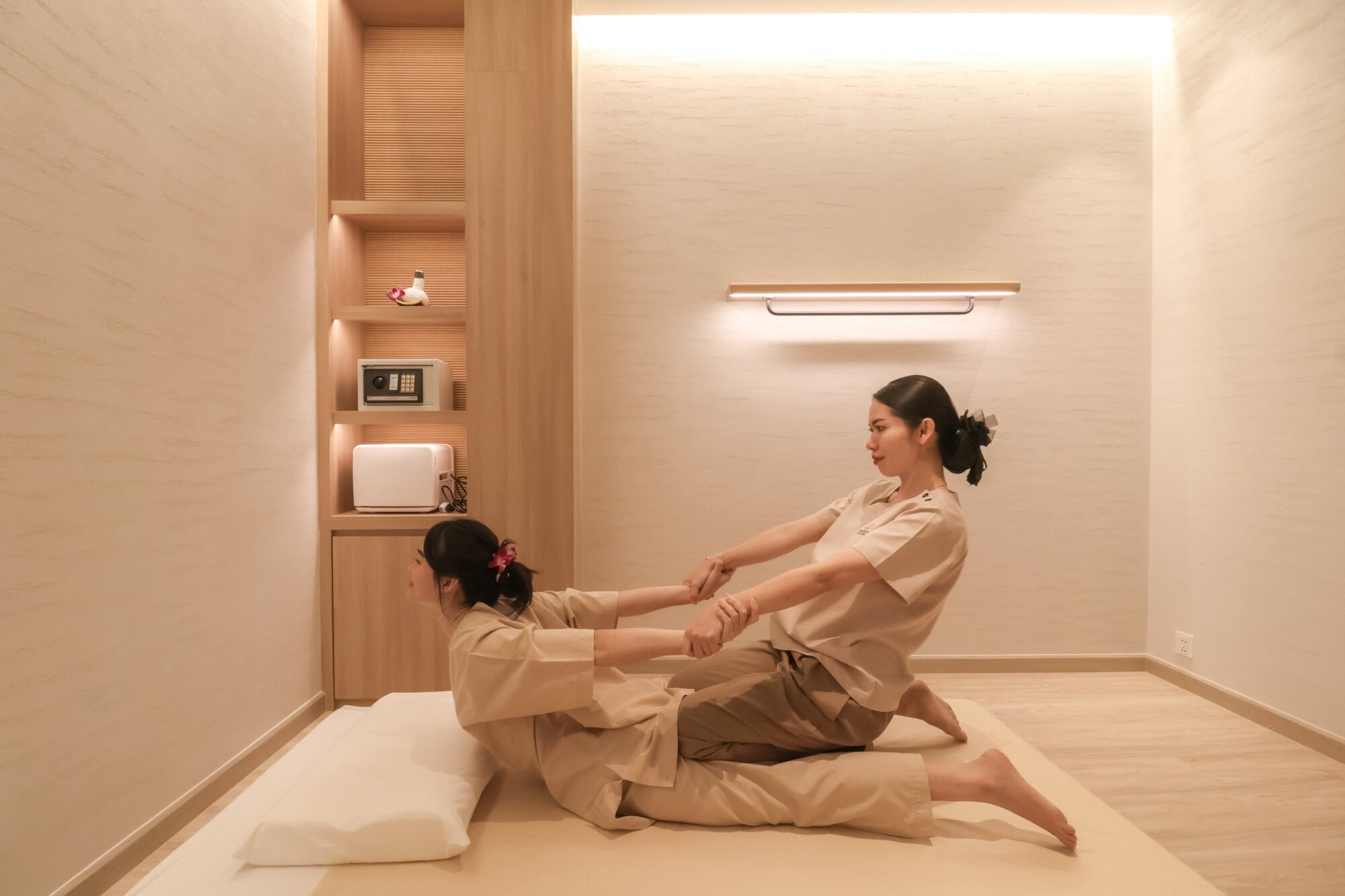
The type of massage you select has a significant influence on how deeply relaxed you feel. If your goal is total relaxation and you welcome the possibility of drifting off, an aroma oil massage is an excellent choice. The combination of long, flowing strokes and therapeutic essential oils creates a multisensory experience that naturally encourages sleep. For those who want a balance of relaxation and gentle stretching, a traditional Thai massage offers rhythmic pressure and passive movement that is deeply calming without being intense.
Experience Deep Relaxation at Makkha Health & Spa
At Makkha Health & Spa, we believe that falling asleep during a massage is one of the best outcomes a session can produce. It means your body trusts the environment, your muscles have let go of tension, and your mind has found genuine peace.
Our professionally trained therapists are experienced in guiding clients into deep relaxation through a range of spa treatments, including our signature aroma oil massage, traditional Thai massage, hot stone massage, and foot massage. Every treatment uses 100% natural products from our own WAN WAAN brand, formulated with gentle, aromatic ingredients that are kind to sensitive skin.
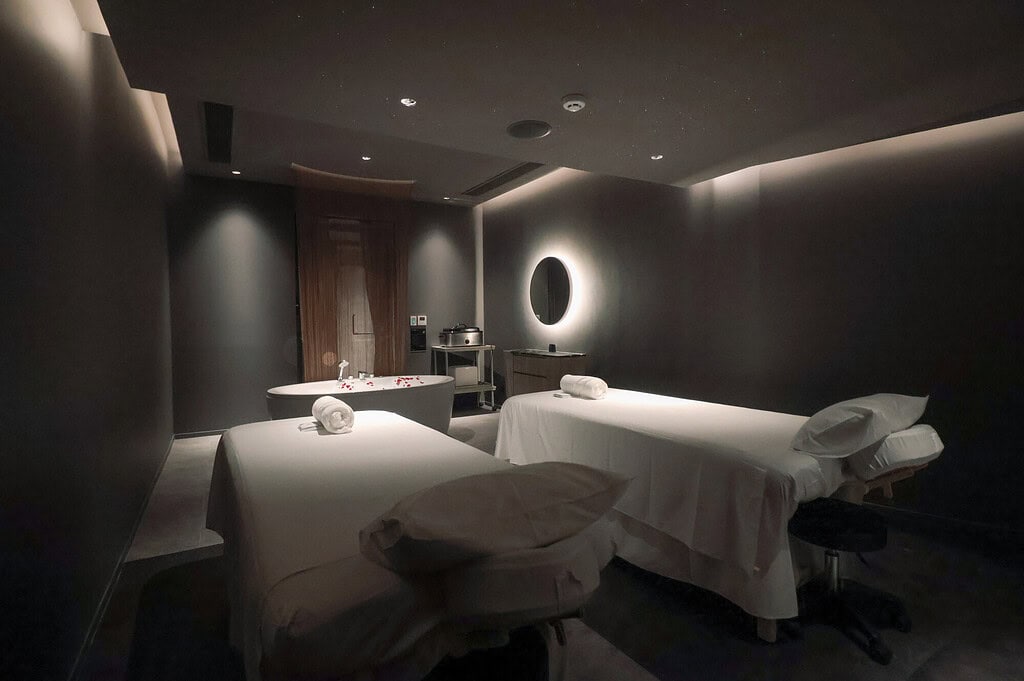
Before your session, we conduct a personal consultation to understand your needs, your preferences, and any areas that require special attention. During the massage, our therapists work in comfortable, private treatment rooms designed for total tranquility. And when you emerge, you will be welcomed with our complimentary bael fruit juice and rice crackers before your session, followed by mango sticky rice afterward, completing a wellness experience that nourishes both body and spirit.
Whether you stay awake and savor every moment or drift peacefully to sleep, your session at Makkha Health & Spa will leave you feeling restored. Visit us at our locations in Bangkok, Chiang Mai, Pattaya, and Phuket. We are open daily from 10:00 AM to midnight.
References
- Moderate pressure massage elicits a parasympathetic nervous system response. Retrieved February 20, 2026 from https://pubmed.ncbi.nlm.nih.gov/19283590/
- Cortisol decreases and serotonin and dopamine increase following massage therapy. Retrieved February 20, 2026 from https://pubmed.ncbi.nlm.nih.gov/16162447/