주요 특징
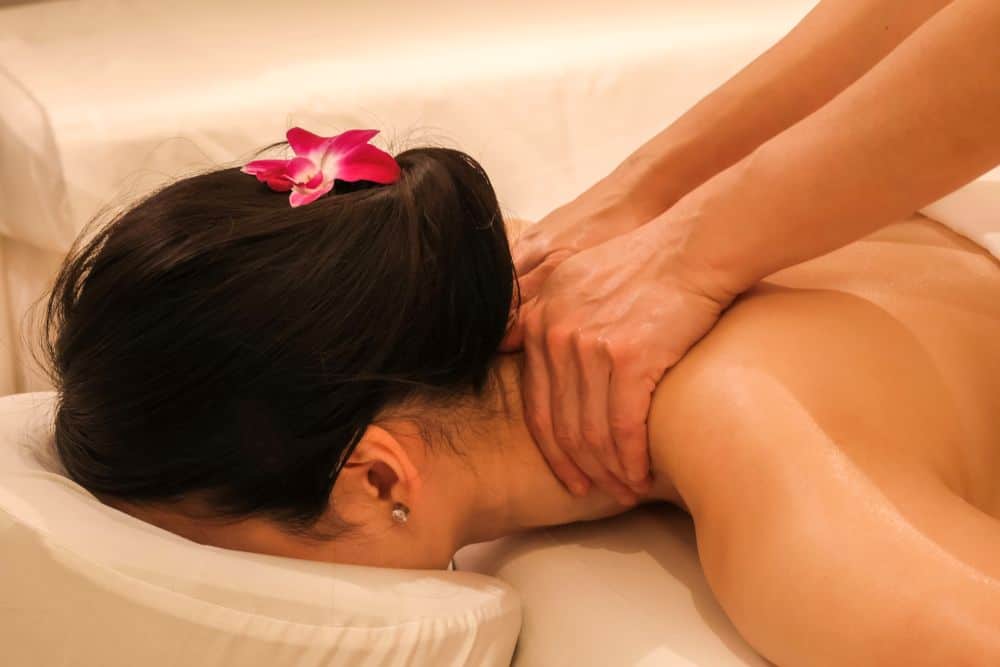
Getting a massage after working out is one of the most effective recovery tools available, with research showing it can reduce delayed-onset muscle soreness by approximately 30%. The timing and type of massage both matter: moderate pressure within two to six hours of training works well for prevention, while a session 24 to 48 hours later targets soreness more directly. At Makkha Health & Spa, the Hot Stone Massage and Aroma Oil Massage are the two strongest options for post-workout recovery.
목차
- What Happens to Your Muscles After a Workout?
- The Science Behind Post-Workout Massage
- Pre-Workout vs. Post-Workout Massage
- When to Get a Massage After a Workout
- The Best Massage Types for Recovery
- Tips for Getting a Post-Workout Massage
- Book Your Recovery Massage at Makkha
- Frequently Asked Questions About Massage After a Workout
You pushed hard in the gym but now your legs ache when you climb stairs, and your shoulders quiver with every reach. That soreness is normal, but it doesn’t have to slow you down for days.
Getting a massage after working out is one of the most effective tools for deep muscle recovery. The correct selection significantly impacts your recovery speed. This guide explains the science behind recovery, compares top treatments, and details Makkha Health & Spa’s offerings for post-workout needs.
What Happens to Your Muscles After a Workout?
Every time you train hard, your muscle fibers experience microscopic tears. That’s not a problem; it’s how adaptation works. The subsequent inflammation and tissue repair following those tears result in the soreness you experience afterwards.
This is called delayed-onset muscle soreness, or DOMS:
- Kicks in 12 to 24 hours after exercise
- Peaks between 24 and 72 hours post-workout
- Hits hardest after eccentric movement, like the downward phase of a squat, lowering weights under control, or running downhill
Stretching fibers under load during eccentric workouts causes more microscopic damage than concentric actions alone. Muscle fatigue from exertion results in the buildup of metabolic waste, causing lingering stiffness and a heavy sensation that persists until the following day.
Massage, a thoroughly researched method, speeds up your body’s inherent recovery processes.
The Science Behind Post-Workout Massage
Yes, it is good to get a massage after working out, and the evidence supports it consistently:
A 2018 meta-analysis published in Frontiers in Physiology compared post-workout massage against compression garments, cold water immersion, and active recovery. Massage ranked highest for reducing perceived soreness and fatigue.
A separate study in the Journal of Athletic Training found massage reduced DOMS by approximately 30% and meaningfully decreased swelling.
Here’s what’s happening physiologically:
Massage Moderates Inflammation Without Shutting It Down
Research published in Science Translational Medicine found that massage reduces inflammatory proteins in muscles while preserving the signaling the body needs for adaptation. It does not override your recovery; it regulates it.
It Improves Circulation Where It Counts
Massage enhances blood flow to fatigued muscle groups, delivering oxygen and nutrients while clearing metabolic waste. Enhanced lymphatic drainage supports this further.
It Supports Cellular Repair
One study found massage reduced inflammation by lowering NF-kB activity and increasing mitochondrial repair markers, helping tissue recover more efficiently at the cellular level.
It Brings Your Nervous System Down
Your body stays physiologically aroused long after high-intensity training, even post-gym. A massage after exercise stimulates the parasympathetic nervous system, which reduces cortisol and initiates true relaxation.
It Improves How You Move the Next Day
Less tension and better range of motion mean you are not just less sore. You are more functional and less likely to compensate in ways that lead to injury.
Pre-Workout vs. Post-Workout Massage
Both have value, but they serve different purposes.
Pre-workout massage:
- Light and brief, typically 10 to 15 minutes
- Gentle strokes to warm up muscles and improve flexibility
- Reduces pre-exercise tension without fatiguing the tissue
- The goal is priming, not treatment
Post-workout massage:
- Targets the areas that worked hardest during your session
- Reduces early-stage DOMS and clears built-up tension
- Accelerates the shift from fatigue back to readiness
- Where massage earns its reputation for active individuals
A helpful tip: Refrain from seeking an extremely deep massage right after a strenuous workout. Severely inflamed muscle fibers are not suited for strenuous activity. Applying moderate, strategic pressure soon after training, or opting for a more intense massage the next day, generally leads to superior outcomes with reduced post-massage discomfort.
When to Get a Massage After a Workout
2 to 6 hours post-workout
Muscles are still warm, circulation is elevated, and a moderate-pressure post-workout massage can initiate recovery before soreness sets in. This window works well for preventing DOMS rather than treating it.
24 to 48 hours after training
Ideal following heavy resistance work or demanding sessions. The initial inflammatory phase has settled, and a therapist can apply more targeted techniques without irritating acute tissue damage. If soreness has already developed, this is typically the most effective window for relief.
The following day
Works well if a same-day session is not possible. Your body has moved through the early stages of inflammation, and a focused massage can address the DOMS that has set in and restore normal movement.
For those training consistently, building regular massage into your schedule every two to four weeks helps manage ongoing tension and keeps recovery more predictable across training blocks.
The Best Massage Types for Recovery
Post-workout muscles respond best to treatments that combine heat, targeted pressure, and techniques designed to reach deeper tissue. At Makkha Health & Spa, two treatments stand out for post-workout recovery specifically.
핫스톤 마사지
For heavy muscle fatigue, persistent stiffness, or deep tension accumulated across multiple sessions, the Hot Stone Massage works at a different level. How it supports post-workout recovery:
- Heated basalt stones reach muscle tissue in a way hands alone cannot
- The warmth promotes vasodilation, widening blood vessels to increase flow and deliver more oxygen to damaged tissue
- The combination of heat and pressure achieves depth with significantly less force, making it effective without being aggressive
- Reduces pain perception and muscle tightness through neuromuscular modulation
- Stimulates the parasympathetic nervous system, producing lower cortisol, higher endorphins, and the physical calm the body needs to recover
This treatment works best after high-intensity training, long runs, or heavy lifting.
핫아로마오일마사지
Warm, naturally formulated oils are used throughout this treatment, and the heat is what makes the meaningful difference for post-workout recovery. Key benefits for active individuals:
- Warmed oil penetrates more effectively into fatigued tissue, loosening knots that surface-level strokes do not reach
- The aromatherapy component engages the nervous system, helping lower cortisol and ease the mental load that accompanies physical training
- Nourishes the skin, which takes considerable wear during regular exercise
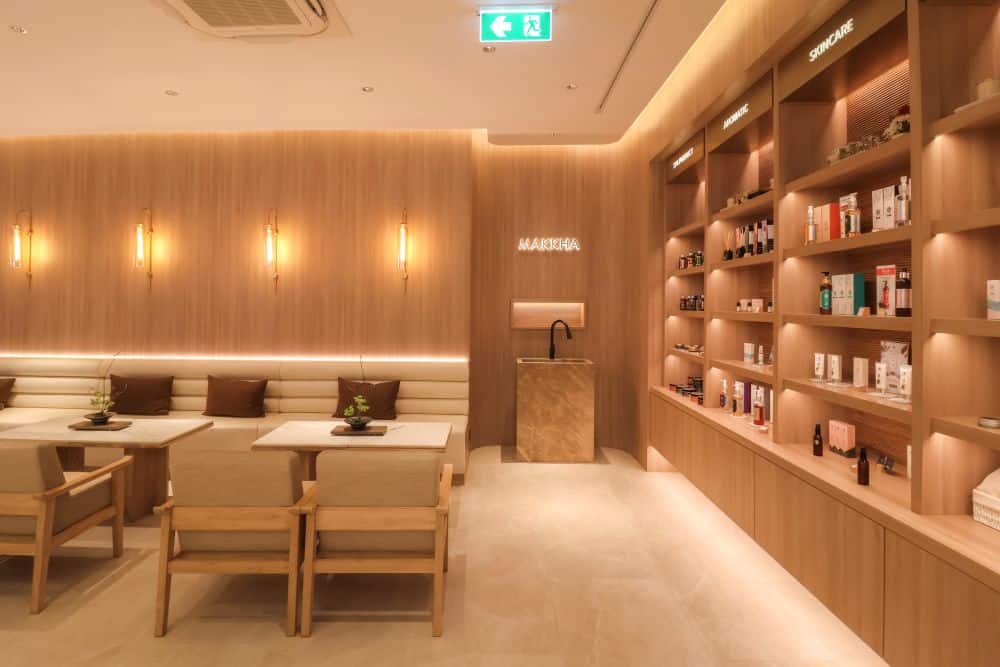
Every Makkha session begins with a detailed consultation. Your therapist will note which muscle groups you have been training, which areas need focus, and any zones to avoid due to previous injuries, surgery, or personal preference.
Tips for Getting a Post-Workout Massage
- Cool down and shower first: Give your body time to transition out of the active state. A warm shower relaxes the muscles and makes the therapist’s work more effective.
- 수분을 충분히 섭취하세요: Drink water before and after your session. Massage mobilizes metabolic waste from muscle tissue, and proper hydration helps your body clear it efficiently.
- Tell your therapist what part of the body you trained: The more specific you are, the more targeted the session will be. At Makkha, the pre-treatment consultation documents your focus areas and anything to avoid before the session begins.
- Match pressure to timing: Same-day sessions call for moderate pressure. If you are arriving 24 hours or more after training, deeper targeted work is appropriate.
- Rest for the remainder of the day: The recovery happening after your session is part of the benefit. Resist fitting in another workout or strenuous activity.
Book Your Recovery Massage at Makkha
Training includes recovery, so serious workouts necessitate serious recovery. Makkha Health & Spa crafts treatments based on your body’s specific requirements. Our expertly trained therapists, all-natural products, and initial consultations guarantee a personalized experience from your arrival.
- Free shuttle service within the Chiang Mai city area and the Phrom Phong & Asoke area in Bangkok
- Complimentary welcome refreshments: Bael fruit juice and rice crackers on arrival, and mango sticky rice served after every session
- Private treatment rooms for every guest at every location
- WAN WAAN natural spa products: Makkha’s own brand, with signature natural scents formulated for sensitive skin
Whether you are a tourist fitting in recovery between excursions or a regular training in Bangkok, Chiang Mai, Phuket, or Pattaya, Makkha has the treatments and expertise to support your next session and the ones after it.
Book your Hot Stone Massage or Hot Aroma Oil Massage at Makkha Health & Spa today.
참고 자료:
- Zainuddin, Z., Newton, M., Sacco, P., & Nosaka, K. (2005). Effects of Massage on Delayed-Onset Muscle Soreness, Swelling, and Recovery of Muscle Function. Journal of Athletic Training. Retrieved April 2026, from https://pmc.ncbi.nlm.nih.gov/articles/PMC1250256/
- Han, Y., et al. (2017). Massage Alleviates Delayed Onset Muscle Soreness after Strenuous Exercise: A Systematic Review and Meta-Analysis. Frontiers in Physiology. Retrieved April 2026, from https://pmc.ncbi.nlm.nih.gov/articles/PMC5623674/
- American Massage Therapy Association. (n.d.). Post-Event Sports Massage. Massage Therapy Journal. Retrieved April 2026, from https://www.amtamassage.org/publications/massage-therapy-journal/post-event-sports-massage/
- Zeel Blog. (2023). DOMS: Delayed Pain After Exercise and How Massage Can Help. Retrieved April 2026, from https://www.zeel.com/blog/massage/massage-therapy/doms-delayed-pain-after-exercise-and-how-massage-can-help/
- Healthline. (2018). 6 Benefits of Hot Stone Massage. Retrieved April 2026, from https://www.healthline.com/health/hot-stone-massage
Frequently Asked Questions About Massage After a Workout
Q: Is it good to get a massage right after working out?
A: Yes, with the right approach. Moderate pressure within two to six hours of your workout supports early recovery and can help prevent DOMS from peaking. Very deep pressure is better suited to the following day, once acute inflammation has settled.
Q: Should I get a massage the same day or the day after my workout?
A: Both are effective for different reasons. A same-day massage helps prevent soreness from peaking by supporting circulation while muscles are still warm. A next-day session addresses DOMS more directly, with deeper pressure now appropriate.
Q: How often should I get a massage if I train regularly?
A: Every two to four weeks is a solid baseline for active individuals. Those with heavier training loads may benefit from more frequent sessions, particularly during intensive training periods.
Q: What type of massage is best after a workout?
A: At Makkha Health & Spa, the Hot Stone Massage and Hot Aroma Oil Massage are the strongest choices for post-workout recovery. Both use heat to access deeper muscle tissue and support faster recovery.
Q: Can massage make muscle soreness worse?
A: Properly timed massage with appropriate pressure will not worsen soreness. Excessively deep pressure applied immediately after intense training may cause temporary discomfort. Always inform your therapist of your training load and how you are feeling before the session begins.